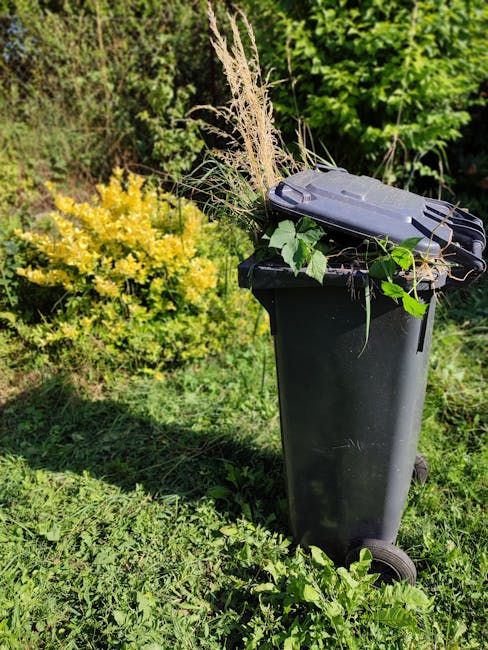
Lewisham council garden waste rules for gardeners and landlords
If you garden in Lewisham or manage rental property there, garden waste is one of those jobs that looks simple until it isn't. A few bags of grass cuttings, hedge clippings, soil, or a broken branch can quickly turn into a disposal headache. And for landlords, it gets even messier when tenants, gardeners, and clearance teams all assume someone else will deal with it.
This guide breaks down Lewisham council garden waste rules for gardeners and landlords in plain English. You'll learn what usually counts as garden waste, what tends to cause problems, how to plan a compliant clearance, and where the practical risks are. It's written for real-world use, not theory. The aim is simple: help you keep gardens tidy, avoid avoidable mistakes, and save time on jobs that are already busy enough.
To make this easier to scan, start with the section you need most.
- Why these rules matter
- How the process usually works
- Benefits for gardeners and landlords
- Who needs to follow this guidance
- Step-by-step guidance
- Expert tips
- Common mistakes to avoid
- Tools and resources
- Compliance and best practice
- Options and comparison
- Real-world example
- Practical checklist
- Frequently asked questions
Why Lewisham council garden waste rules for gardeners and landlords Matters
Garden waste sounds harmless. Leaves, clippings, twigs, old soil, a few pruning piles. But once that waste leaves the garden, it has to go somewhere, and that is where problems begin. If you are a gardener, a bad disposal routine can waste hours. If you are a landlord, it can create friction with tenants, contractors, and even neighbouring properties if waste is left in front gardens or shared spaces. Not ideal, frankly.
In Lewisham, the practical issue is less about "garden waste" as a phrase and more about how you sort, store, move, and dispose of it responsibly. Most council-related headaches come from a few familiar places: overfilled bins, mixed rubbish, fly-tipped bags, or a clearance left half done because nobody planned the disposal side properly. That is usually when a neat job starts to look untidy. And once it looks untidy, complaints tend to follow.
For gardeners, the rules matter because you often generate waste as part of a paid service. You need a routine that protects your reputation and keeps jobs efficient. For landlords, the stakes are slightly different. You need to protect the property, avoid nuisance, and make sure waste left behind after tenancy changes or garden work does not become your problem later.
Practical takeaway: if the waste leaves the boundary of the property, treat it as something that needs a deliberate disposal plan, not an afterthought.
Where the waste itself is just one part of a wider tidy-up, it may also make sense to coordinate with broader services such as garden clearance or routine garden maintenance so nothing gets left in a half-finished state.
How Lewisham council garden waste rules for gardeners and landlords Works
The basic idea is straightforward: garden waste should be separated from general household rubbish and handled in a way that fits local collection or disposal expectations. That sounds obvious, but in practice it gets blurry very quickly. A bag of weeds is garden waste. A bag containing weeds, old packaging, plastic ties, broken terracotta, and kitchen scraps is no longer simple garden waste. It is mixed waste, and mixed waste is where people get caught out.
For day-to-day jobs, the process usually has four parts:
- Sort the waste into what is genuinely green waste, what is recyclable, and what should be treated as general rubbish.
- Contain it properly so loose cuttings, soil, and sharp material do not spill across driveways or pavements.
- Choose the right disposal route for the amount and type of waste you have.
- Keep records or receipts where needed, especially if you are a landlord using contractors and want a clear paper trail.
That final point is easy to overlook. Many landlords only think about the deposit side of things after a tenant leaves. Much better to know from the start who is responsible for what, who arranged the clearance, and what was actually removed. A quick photo before and after can save a surprising amount of back-and-forth later on.
Gardeners should also think about the material itself. Soft green waste such as grass and leaves is usually easier to handle than heavier branches, root balls, or woody prunings. Add decking offcuts, old sleepers, or broken fencing into the mix and you are no longer dealing with a simple green waste job. For larger overgrown gardens or end-of-tenancy clearances, a proper plan often works better than trying to "just load it all in the van and hope for the best".
If the work includes hedges, overgrown shrubs, or tree cuttings, it can be helpful to pair waste planning with hedge trimming or tree lopping and removal so the cut material is managed as the work happens, not after the piles have already grown into a minor mountain.
Key Benefits and Practical Advantages
Following garden waste rules is not just about avoiding trouble. Done well, it actually makes the whole job smoother. Better sorting, better loading, and better disposal decisions reduce stress and usually reduce cost too. Nobody wants to pay twice because waste had to be re-handled. That's the sort of thing that makes a simple day feel longer than it should.
- Cleaner gardens faster: when waste is separated properly, clearing the space becomes more efficient.
- Less risk of complaints: tidy storage and prompt removal help prevent mess on paths, pavements, and shared access areas.
- Better landlord oversight: you can show that garden waste from tenant changes or property work was managed properly.
- Lower chance of mixed waste problems: separating green waste from plastics, rubble, and general rubbish keeps disposal simpler.
- Safer working conditions: fewer loose piles, less trip risk, and less handling of awkward loads.
- Better sustainability outcomes: where possible, recycling green material is usually the more responsible route.
There is also a quieter benefit that people underestimate: peace of mind. If you know the waste plan is sorted before the pruning starts, the whole day feels calmer. You move more cleanly from cutting to clearing to final tidy-up. A lot of good garden work is just calm logistics, really.
If sustainability matters to you or your client, it is worth looking at the company's recycling and sustainability approach alongside the job plan. Small choices in the way waste is handled can make a big difference across repeated visits.
Who This Is For and When It Makes Sense
This topic matters to more people than you might think. It is not just for professional gardeners, and it is not only a landlord issue after a tenancy ends.
Gardeners
If you carry out maintenance, hedge cutting, lawn care, or one-off tidy-ups, you need to know what waste you are creating and how it will be moved. A garden job can look simple until you realise the client has nowhere to put ten sacks of cuttings, or the side return is too narrow for easy collection. Happens all the time.
Landlords
For landlords, waste rules matter after tenant move-outs, seasonal maintenance, and pre-let presentation work. If a garden becomes overgrown or cluttered, it can affect viewings, tenant satisfaction, and the general condition of the property. In a terrace or maisonette, it may also affect neighbours if waste is left in shared areas for too long.
Letting agents and property managers
If you manage more than one property, consistency is the real challenge. You need a repeatable process: who authorises clearance, who checks the work, who pays, and what counts as acceptable condition at handover.
DIY gardeners
Even if you are only cutting back a small front garden, the rules still matter. Overfilling bins, leaving bags out too early, or mixing waste with household rubbish can create avoidable mess. And yes, a single damp bin bag of clippings can smell far worse than you expect on a warm afternoon.
When it makes sense to bring in help
If the garden is heavily overgrown, the waste volume is larger than expected, or the site has awkward access, professional support is often the sensible move. Services such as lawn mowing, landscaping, or landscape gardening can be useful when a garden needs both cutting back and reshaping rather than a basic sweep-up.
Step-by-Step Guidance
Here is a straightforward way to deal with garden waste in a Lewisham property without overcomplicating it. Nothing fancy. Just a method that holds up on a busy day.
- Walk the site first. Look at what you are dealing with before any cutting begins. Check access points, bin locations, garden gates, shared paths, and whether there is enough space for temporary waste storage.
- Separate the waste as you go. Keep green material apart from plastic, rubble, timber treated with chemicals, old pots, and general household rubbish.
- Bag or stack safely. Use sturdy bags or secure stacks so nothing spills in wind or rain. London weather has a funny habit of showing up mid-job just when you least need it.
- Keep heavy waste under control. Soil, roots, and wet cuttings can get heavy fast. Do not overload bags beyond what can be safely lifted and carried.
- Plan the collection route. If waste must pass through internal hallways or shared entrances, protect floors and keep the route short and tidy.
- Remove waste promptly. Do not leave piles sitting around unless you have a clear and agreed reason for doing so.
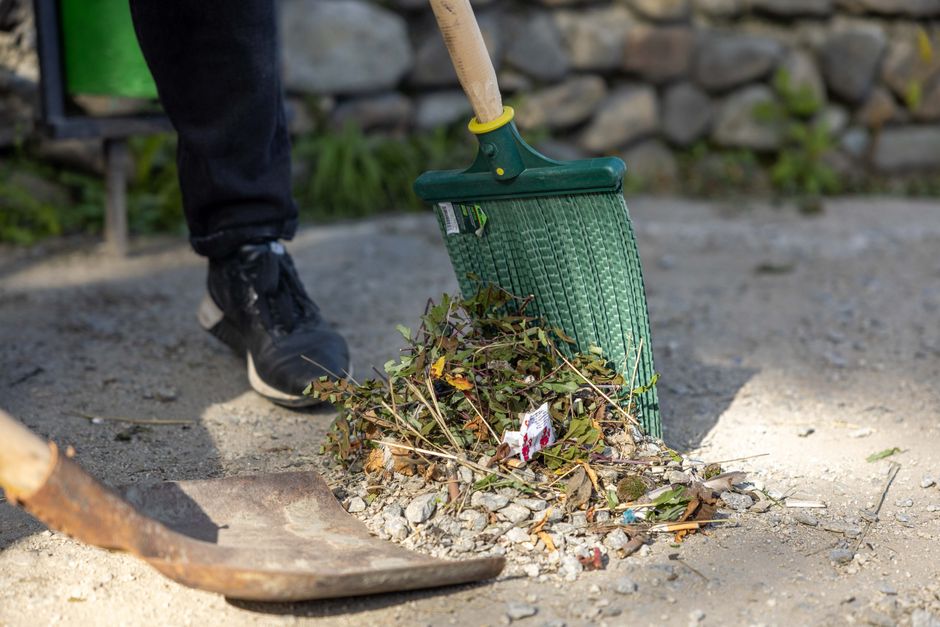
- Check the final finish. Sweep up loose leaves, check behind bins, and look for stray twigs or shredded grass around paving edges.
For landlords, one extra step is worth adding: document the condition before and after the work. A short note and a couple of photos are often enough. It feels small at the time, but when a tenant later asks who removed what, you will be glad you did it.
If the job includes thicker branches or difficult access, it can help to organise the work around garden clearance rather than trying to manage it as ordinary weekly maintenance.
Expert Tips for Better Results
These are the small habits that make a noticeable difference in real jobs.
- Keep a "mixed waste" bag to one side. If you find odd items mid-job, do not toss them into the green pile. Set them aside until you can sort them properly.
- Use dry collection where possible. Wet clippings are heavier, smellier, and much less pleasant to move. If you can time the work around dry weather, do it.
- Ask the landlord or tenant one clear question: "What is staying and what is leaving?" That one line avoids a lot of confusion.
- Match the waste plan to the job size. A small border tidy-up and a full overgrowth clearance need very different handling.
- Think about presentation as well as disposal. When a property is being marketed, the finish matters. A tidy garden with neat edges can make a place feel cared for, even before anyone steps inside.
- Do not assume the bin will cope. Most people only realise the green bin is full after the first two sacks are already tied off. Bit annoying, but common.
A good rule of thumb: if you are asking whether the waste "might fit", it probably already deserves a proper removal plan.
For ongoing jobs, garden maintenance often works better than periodic rescue work because waste is kept in smaller, manageable volumes. That tends to be easier on both the garden and the person paying for it.
Common Mistakes to Avoid
Most waste problems come from a short list of familiar mistakes. The good news is they are easy to avoid once you know what to watch for.
- Mixing green waste with general rubbish. This is probably the biggest one. Once it is mixed, disposal becomes more awkward and often more expensive.
- Leaving bags in the wrong place. Shared entrances, front pavements, and communal paths are risky spots if you are not removing waste immediately.
- Ignoring access limitations. A narrow side gate, stairs, or long carry route can turn a simple clearance into a labour-heavy job.
- Overfilling bags. Heavy wet waste can split bags and create a mess on the way out. Nobody enjoys that second trip.
- Assuming someone else is responsible. This is especially common with landlords and tenants. Make the responsibility clear from the start.
- Forgetting about sharp material. Broken pots, pruned stems, and cut branches can scratch surfaces or injure hands if not handled properly.
Another easy mistake is underestimating how long waste handling takes. A garden can look "nearly done" and still have twenty minutes of clearing left. In practice, the clearing is part of the job, not a little add-on at the end.
Tools, Resources and Recommendations
You do not need a truckload of gear, but the right tools make the job smoother and safer. Simple kit is usually best.
- Heavy-duty garden waste bags for cuttings, leaves, and light debris
- Tarpaulins or ground sheets to collect material without scattering it over paths
- Gloves and hand protection for thorny hedges, rose cuttings, and rough branches
- Rakes and brooms for finishing and surface clean-up
- Securing straps or ties if material is being stacked or bundled
- Clear labelling or notes for landlords who want a simple audit trail
If you are comparing service options, it is worth looking at how a company handles safety, insurance, payment, and sustainability, not just the headline price. The public-facing pages on insurance and safety, payment and security, and pricing and quotes can give you a useful sense of how seriously a provider treats the boring-but-important parts of the job. And boring-but-important is often where the real quality shows up.
For more information about the wider company approach, you can also review about us and the services overview. That is usually the quickest way to understand whether a provider is set up for maintenance work, clearance work, or a bit of both.
Law, Compliance, Standards, or Best Practice
Garden waste handling sits in a practical space where common sense, local expectations, and general UK waste principles all overlap. You do not need to turn it into a legal dissertation, but you do need to take it seriously. Councils expect waste to be managed responsibly, and landlords have an obvious duty to keep properties safe, tidy, and fit for occupation.
As a rule, keep these principles in mind:
- Do not fly-tip. Waste should never be dumped on pavements, vacant land, or other people's property.
- Do not mix waste streams unnecessarily. Green waste, household waste, and construction-type debris should be separated where possible.
- Use competent contractors. If someone is removing waste on your behalf, make sure they are reputable and clear about what they collect.
- Protect shared spaces. In flats, maisonettes, and rental terraces, waste must not block access or create hazards.
- Keep evidence when appropriate. A basic record of clearance can be useful if a landlord later needs to explain what happened on site.
For landlords especially, best practice is to write waste responsibilities into your handover or inventory process. Who tidies the garden during the tenancy? Who removes waste after a major prune? Who pays if a bulky clearance is required? Those questions are much easier answered before the bins fill up.
If a job involves overgrown trees or structural issues, do not treat it as simple garden waste. That kind of work often needs extra care, and the handling of arisings should be planned alongside the task itself. The same goes for larger transformations involving landscaping or new outdoor features such as decking services, where offcuts and spoil can build up quickly.
Options, Methods, or Comparison Table
There is more than one way to deal with garden waste. The best choice depends on volume, access, urgency, and whether the property is privately owned, tenanted, or being prepared for sale or letting.
| Method | Best for | Pros | Watch-outs |
|---|---|---|---|
| Regular bin-based disposal | Small amounts of grass, leaves, and light cuttings | Simple, familiar, low effort | Limited capacity; easy to overfill |
| Bagged collection for later removal | Moderate garden tidy-ups | Flexible; keeps the garden usable during the job | Needs space and a clear pickup plan |
| Full garden clearance | Overgrown plots, end-of-tenancy jobs, bulky green waste | Fastest way to reset a garden | More planning needed; mixed waste must be separated |
| Ongoing maintenance visits | Landlords and repeat clients | Keeps waste volumes manageable | Requires consistency and scheduling |
If you are unsure which approach fits your property, ask a simple question: are you trying to maintain the garden, or reset it? That one distinction usually points you in the right direction.
Case Study or Real-World Example
Imagine a two-storey rental property in Lewisham with a rear garden that has not been touched for a few months. The tenant has moved out, the lawn is long, the hedge has pushed into the path, and there are a couple of broken plant pots near the shed. Nothing dramatic, but enough to make the garden look neglected.
A landlord might think the job is just "a quick tidy". In reality, the work breaks into stages. The hedge needs trimming, the lawn needs mowing, the pots need separating from the green waste, and the leftover branches need removing without blocking the shared side passage. If the person doing the job starts cutting first and thinking later, the result is often a trail of bags, clutter, and extra trips.
A more sensible approach would be:
- Check the garden and note what type of waste is present.
- Separate reusable or non-green items before cutting begins.
- Trim the hedge and mow the lawn in sections, not all at once.
- Load the cuttings into a clear disposal plan as the work progresses.
- Finish with a final sweep, photograph the result, and store the notes.
That sort of workflow is calmer, quicker, and far easier to hand over if the landlord uses a letting agent. It also avoids the awkward "there's still a pile by the fence" conversation. Been there, done that, and it is never a fun call.
In the same kind of job, a provider might combine hedge trimming with lawn mowing and a final clearance so the property is ready for viewings or reoccupation without a second visit for the mess left behind.
Practical Checklist
Use this checklist before, during, or after a garden job in Lewisham.
- Confirm what counts as garden waste and what does not
- Separate green waste from mixed rubbish
- Check access gates, shared paths, and storage space
- Decide whether the job is maintenance, clearance, or a one-off tidy
- Use strong bags, tarps, or bundles for safe handling
- Avoid overfilling bags with wet or heavy material
- Keep walkways clear and safe
- Remove waste promptly or agree a pickup time in advance
- Take photos where landlord records matter
- Check the final surface for loose debris, leaves, or broken fragments
Quick practical summary: separate early, lift safely, remove promptly, and do not leave the waste decision until the last five minutes. That one habit alone solves a lot.
If you need support with a bigger job, it can help to start with the services overview and then choose the right combination of maintenance, clearance, or removal from there.
Conclusion
Lewisham council garden waste rules for gardeners and landlords are not about making simple jobs difficult. They are about keeping outdoor spaces tidy, reducing nuisance, and making sure waste is handled in a way that works for real homes and real properties. Once you separate the waste properly and plan the disposal route before you start cutting, the whole process becomes much easier.
For gardeners, that means fewer delays and cleaner handovers. For landlords, it means fewer disputes and a better-presented property. And for anyone managing both at once, it means one less messy variable in an already busy day.
Get the waste plan right, and the rest of the garden work tends to follow more smoothly. A good finish is a quiet sort of win, but it matters.
Get a free quote today and see how much you can save.
Frequently Asked Questions
What counts as garden waste in Lewisham?
In practical terms, garden waste usually includes grass cuttings, leaves, hedge trimmings, small branches, weeds, and other plant material. If it is mixed with plastic, household rubbish, or building debris, it is no longer straightforward garden waste and should be treated differently.
Can landlords leave garden waste for tenants to deal with?
That depends on the tenancy agreement and the specific arrangement, but in practice it is much safer to make garden responsibilities clear in writing. If waste is left behind after a tenancy ends, the landlord may still need to arrange removal to prepare the property properly.
Do gardeners need to separate green waste from other rubbish?
Yes, they really should. Separating green waste from mixed waste keeps disposal simpler, reduces the chance of problems, and makes the job cleaner overall. It also looks more professional to clients.
What should I do with large branches and hedge cuttings?
Large branches and heavy hedge cuttings should be bundled or stacked safely and removed as part of the job plan. If the volume is significant, a full clearance approach is often more efficient than trying to fit everything into ordinary bins or bags.
Is fly-tipping garden waste a serious issue?
Yes. Dumping garden waste on pavements, vacant land, or another property is not an acceptable disposal method. It can cause nuisance, attract complaints, and create unnecessary risk for the person responsible.
How often should a rental garden be cleared?
There is no single answer, because it depends on the size of the garden, tenancy use, and season. Some properties need regular maintenance, while others only need a larger tidy-up between occupiers. The key is not to let waste build up until the garden becomes difficult to manage.
What is the difference between garden maintenance and garden clearance?
Maintenance is the regular, ongoing care that keeps a garden under control. Clearance is more about removing accumulated waste, overgrowth, and clutter to reset the space. If a garden has been neglected, clearance is usually the better starting point.
Can garden waste go in general household bins?
Sometimes small amounts can be handled that way, but it is not a good catch-all solution. The safe approach is to check capacity and ensure you are not mixing waste types or overloading the bin. For larger volumes, another disposal route is usually needed.
What records should landlords keep after garden clearance?
A simple record is often enough: what work was done, when it was done, who carried it out, and a few before-and-after photos. That can be useful if a tenant, agent, or contractor later questions the condition of the property.
How can I tell if a garden job needs professional help?
If access is awkward, waste volumes are large, the garden is heavily overgrown, or the job includes more than simple cutting, professional help is often worth it. It saves time and tends to produce a cleaner finish. Sometimes that is the difference between a half-day job and a whole weekend disappearing into the shrubbery.
Are there sustainability benefits to handling garden waste properly?
Yes. Proper sorting and responsible removal make it easier to recycle green material where possible and reduce unnecessary waste. It is a small thing on a single job, but over repeated visits it adds up.
Where can I learn more about related garden services?
If your job involves more than waste removal, it may help to look at the broader service range such as garden maintenance, garden clearance, and tree lopping and removal. That gives you a better sense of how the work can be organised from start to finish.