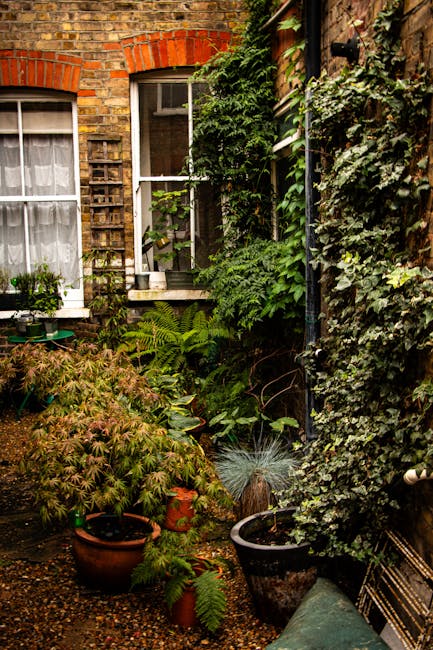
Deptford Market yard makeover guide for residential gardeners
If you live near Deptford Market, chances are your outdoor space is doing one of two things: trying its best, or quietly asking for help. A small yard can become a lovely little garden, but only if the layout, surfaces, planting, and maintenance all work together. This Deptford Market yard makeover guide for residential gardeners walks through the real decisions that matter, from clearing a cramped space to choosing materials that cope with shade, damp, foot traffic, and everyday family life.
Whether you want a calm courtyard, a low-maintenance entertaining spot, or a greener space that feels bigger than it really is, the aim here is simple: help you make a yard that looks good and actually works. No fluff. No fantasy garden with impossible proportions. Just practical advice you can use.
Many residential gardeners in Deptford want the same thing at the end of the day: a yard that feels tidy, welcoming, and not like a weekend burden. That is absolutely doable. The trick is sequencing the work properly and making a few sensible choices early on.
Table of Contents
- Why Deptford Market yard makeover guide for residential gardeners Matters
- How Deptford Market yard makeover guide for residential gardeners Works
- Key Benefits and Practical Advantages
- Who This Is For and When It Makes Sense
- Step-by-Step Guidance
- Expert Tips for Better Results
- Common Mistakes to Avoid
- Tools, Resources and Recommendations
- Law, Compliance, Standards, or Best Practice
- Options, Methods, or Comparison Table
- Case Study or Real-World Example
- Practical Checklist
- Conclusion
- Frequently Asked Questions
Why Deptford Market yard makeover guide for residential gardeners Matters
A yard makeover is not just about making things prettier, although that is part of it. In a Deptford setting, where gardens are often compact, enclosed, or shared by older buildings and hard-working families, the outside space has to do several jobs at once. It needs to drain properly, feel safe to walk on, store clutter neatly, and still leave room for plants that give the space life.
Truth be told, a tired yard can drag down the whole house. Broken paving, spindly plants, and damp corners make the space feel smaller and harder to use. On the other hand, a well-planned yard can become a bonus room outdoors. You notice it most on ordinary days: hanging washing without stepping into mud, watering a few pots in the morning light, or sitting out with a cup of tea after work while the air still smells faintly of soil and herbs. Small thing, big difference.
For residential gardeners, this matters because a yard makeover is usually an investment in daily life, not just appearance. If the design is sensible, the upkeep becomes easier too. That is where many projects succeed or fail.
It also helps to understand the knock-on benefits. A smarter yard layout can reduce slippery patches, improve access, and stop planting beds from becoming awkward afterthoughts. And if you are thinking about combining the garden with broader property improvements, services like landscaping and landscape gardening can be useful reference points for the kind of structure and finish you want.
How Deptford Market yard makeover guide for residential gardeners Works
A good yard makeover follows a fairly predictable logic. First, you clear out what no longer belongs. Then you assess what the space actually needs. After that, you build in the practical layers: levels, drainage, surface choice, planting, and maintenance access. If you skip that order, you end up decorating a problem rather than solving it.
In most residential yards, the process starts with observation. What gets wet first? Where does rubbish gather? Which corner gets the most light? Does the space feel boxed in by fencing, brick walls, sheds, or overgrown hedges? These little details matter more than fancy ideas. A lovely planting plan can still fail if the base is wrong.
The makeover itself usually involves some mix of clearance, repair, resurfacing, edging, planting, and finishing. For some homes, that means a clean slate. For others, it means working around a few good existing features. A single mature plant, a decent paved strip, or an old timber bench can all be worth keeping if they fit the new design.
In practice, many people benefit from sequencing the work into manageable stages. That keeps disruption down and makes it easier to budget. If the yard has become cluttered over time, a proper garden clearance step is often the best starting point. Once the space is stripped back, the design decisions become much clearer.
Key Benefits and Practical Advantages
A well-planned yard makeover gives you more than a tidy result. It changes how the space functions day to day. That is the real prize.
- Better use of limited space. Small yards can feel twice as useful when circulation, storage, and planting are all thought through.
- Less maintenance stress. A simple design with the right materials often needs less ongoing work than a busy, overdesigned space.
- Improved drainage and safety. Proper levels and surfaces reduce puddling, moss build-up, and slippery routes.
- Stronger curb appeal from the rear of the property. The back garden matters too, especially if you use it as an extension of the home.
- More privacy and comfort. Screening, hedging, and layout choices can make the yard feel calmer and more secluded.
- Room for seasonal change. A good structure supports flexible planting, pots, lights, or furniture later on.
There is also a less obvious benefit: confidence. Once a yard feels ordered, people use it more. Kids go out there. You open the back door without wincing. That sounds minor, but it changes habits. And habits shape how much value you actually get from the space.
Residential gardeners often discover that good structure makes beautiful planting easier. If you are keen on a greener, more polished finish, the ongoing care side matters too, which is where garden maintenance can support the design long after the makeover is finished.
Who This Is For and When It Makes Sense
This kind of yard makeover is a strong fit if your outdoor space is small, awkward, neglected, or underused. It is especially useful for homes near busy streets or mixed-use areas where the garden needs to feel private and calm without becoming high-maintenance.
You may be a good candidate if:
- your yard has uneven paving, patchy drainage, or worn surfaces;
- you want a cleaner look but do not want a fussy garden;
- your planting has become cluttered or overgrown;
- you need safer access for children, guests, or older family members;
- you want to combine practical features like seating, pots, and storage;
- you are starting from scratch after a move or renovation.
Sometimes the right time is after a period of neglect. Sometimes it is after a burst pipe, building work, or a long winter where everything has looked a bit sorry for itself. Let's face it, gardens rarely get neglected because people don't care; usually life just gets in the way.
It is also worth saying that not every yard needs a full redesign. Sometimes targeted improvements are enough. A neat lawn strip, better edging, stronger planting, or a simpler path layout can transform the feel without turning the place upside down. If your space includes tired timber structures or you are considering a more defined outdoor room, decking services may be relevant as part of the wider plan.
Step-by-Step Guidance
Here is a practical sequence that works well for residential gardeners in compact Deptford yards.
1. Clear the space and see what you actually have
Start by removing broken pots, dead plants, broken furniture, builders' bits, and anything that simply blocks the flow of the yard. It is amazing how different a small space feels once the clutter is gone. You often discover usable corners you had forgotten about.
If the yard is heavily overgrown or packed with waste, a proper tidy-up phase matters before any design work. This is where garden clearance can save time and prevent bad decisions based on hidden problems.
2. Assess light, drainage, and access
Stand in the yard at different times of day. Morning, lunchtime, evening. Which parts stay damp? Which get the strongest light? Where do you naturally walk when carrying bins, watering cans, or shopping? These details should shape the layout. Not the other way around.
A common mistake is placing planting beds where people already need to walk. Another is ignoring drainage until after new surfaces go down. That can turn into a very expensive lesson. Not ideal.
3. Decide the main purpose of the yard
Ask a simple question: what do you want this yard to do most?
- be low maintenance?
- host a small table and chairs?
- provide planting space?
- store bins neatly?
- feel more private?
Pick the top one or two goals first. A tiny yard cannot be everything. Once you accept that, the design gets easier, oddly enough.
4. Set the hard landscaping first
Hard landscaping means the permanent or semi-permanent structure: paving, decking, edging, retaining details, steps, and circulation routes. These are the bones of the garden. Get them right and the rest becomes much easier.
For some residential gardens, paving is the best answer. For others, a timber deck softens the look and gives a more usable sitting area. The right choice depends on how wet the space gets, how much maintenance you are willing to do, and whether you want a cleaner contemporary look or something more natural.
5. Build planting around the structure
Once the main layout is fixed, bring in planting. In a compact yard, plants need to earn their keep. Good candidates are those with tidy growth habits, interest across the seasons, and manageable roots. Think in layers: taller screening, mid-height structure, and low planting or containers.
For busy households, a simpler planting scheme is often better than a crowded one. A few strong choices, repeated well, look intentional. Too many plant types can make the yard feel fussy and oddly smaller.
6. Add finishing touches
This is the part people love, because the space suddenly starts to feel lived in. Lighting, a bench, decorative pots, trellis, or a water butt can all help. Keep it practical. Keep it honest. A yard with one great chair and a couple of generous planters can feel far more inviting than one crammed with accessories.
7. Plan the upkeep from day one
The best makeovers are the ones you can actually maintain. Decide now how often the space will need cutting, trimming, sweeping, or feeding. If you already know the garden is likely to need regular attention, a structured garden maintenance approach will protect the look and the value of the work.
Expert Tips for Better Results
Small yards reward restraint. That is the first thing to remember. The second is that good detailing matters more when space is tight, because every junction is visible. The line between paving and planting, for example, needs to look neat or the whole space feels unfinished.
Here are a few practical tips that make a real difference:
- Use repeated materials. One or two surface types usually work better than three or four competing finishes.
- Keep sightlines open. If possible, avoid tall items in the middle of the yard. Let the eye travel.
- Choose plants for their shape as well as colour. Good form keeps the garden interesting even when flowers are not at their best.
- Allow room to clean. If you cannot sweep or hose down the space easily, the finish will not stay smart for long.
- Use vertical space carefully. Walls, trellis, and hanging planters are brilliant in small yards, but they should support the design, not overwhelm it.
- Think about year-round texture. Wet winter days show up weak design fast. Evergreen structure helps.
A little humour here, because it is true: no one has ever stood in a cramped yard and said, "You know what this needs? More stuff." Less usually wins.
One more thing. If there are mature shrubs or hedge lines at the boundary, neat trimming can sharpen the whole look. Services such as hedge trimming and lawn mowing are not glamorous, but they do a lot of heavy lifting visually.
Common Mistakes to Avoid
Most disappointing yard makeovers fail for predictable reasons. None of them are mysterious.
- Starting with plants before fixing structure. If the drainage or paving is wrong, planting will not rescue it.
- Overcrowding the space. Too many features make a small yard feel tense and awkward.
- Choosing high-maintenance finishes by accident. Some materials look lovely for about five minutes and then ask for constant attention.
- Ignoring access for bins, tools, and day-to-day movement. A pretty yard that is annoying to use gets ignored.
- Forgetting shade and damp. Deptford yards can feel quite enclosed, especially near tall buildings or boundary walls.
- Leaving waste removal until the end. It is cleaner, faster, and less stressful to plan disposal early.
Another common issue is trying to replicate a larger garden style in a small yard. A cottage border crammed into a courtyard can look chaotic. Better to scale the idea properly. The style can still be warm and full, just more disciplined.
And if you are removing woody growth, don't treat tree work casually. Overcutting or poor pruning can create longer-term issues. When the job involves larger stems or awkward access, tree lopping and removal should be handled with care and a sensible plan.
Tools, Resources and Recommendations
You do not need a van full of gear to improve a yard, but the right tools make the job safer and more efficient. A basic setup usually includes a sturdy spade, hand fork, secateurs, pruning saw, wheelbarrow or heavy-duty garden bags, a rake, a broom, gloves, and a tape measure. For layout work, string lines or pegs help more than people expect.
For materials, think in terms of durability and upkeep. In a residential yard, the best choice is often the one that is easiest to keep clean and safe in wet weather. Smooth surfaces may be easier to sweep, but they still need enough grip. Timber can look warm and inviting, yet it needs regular attention. Stone can be beautiful, but poor installation will show up quickly.
It also helps to review the service information you already have before starting. A good place to understand the broader scope of available help is the services overview, especially if your project may involve more than one type of work.
If your budget is not fixed, gather options and compare what is included rather than focusing only on the headline figure. The cheapest quote can look appealing, until you notice what is missing. Neat waste removal, proper preparation, and aftercare are all worth asking about. If you want to benchmark costs or request a tailored estimate, the pricing and quotes page is a sensible place to start.
Law, Compliance, Standards, or Best Practice
For residential gardeners, the main compliance concerns are usually practical rather than dramatic: safe working, proper waste handling, neighbour awareness, and making sure any contractors are appropriately insured. In the UK, it is always wise to work to recognised best practice even when a job is not tightly regulated.
That means checking that access routes are safe, tools are used correctly, and trees or tall hedges are not cut in a way that creates avoidable risk. It also means being careful with heavy lifting, power tools, and surfaces that may become slippery once wet. Those things sound obvious, but they are exactly where garden accidents tend to happen. Bit of a boring subject, but important.
If you hire help, look for clear information about insurance, safety procedures, and working methods. That kind of reassurance matters in residential settings where the work is close to windows, paths, children, pets, and neighbouring properties. The pages on insurance and safety and health and safety policy are useful to review if you want to understand the standards behind responsible garden work.
Best practice also includes being thoughtful about sustainability. Reusing suitable materials, separating waste properly, and choosing long-lasting finishes can reduce waste over time. If environmental impact matters to you, the recycling and sustainability approach is worth bearing in mind while planning.
Options, Methods, or Comparison Table
There is more than one way to makeover a yard. The right method depends on budget, use, and how much ongoing upkeep you want to take on.
| Method | Best for | Pros | Trade-offs |
|---|---|---|---|
| Simple refresh | Yards with decent structure already in place | Fast, cost-conscious, low disruption | Limited change if layout is poor |
| Resurface and replant | Spaces with worn paving but usable bones | Stronger finish, clear visual upgrade | Needs more planning and preparation |
| Full redesign | Heavily neglected or awkward yards | Best transformation, better long-term function | Higher cost, more time, more decisions |
| Low-maintenance courtyard style | Busy households and rental-style practicality | Easier upkeep, tidy year-round look | Less planting variety |
| Green-focused makeover | Gardeners who want more planting and habitat value | Richer feel, softer atmosphere | Can need more care and watering |
As a rule of thumb, if you are unsure, start by simplifying rather than expanding. A clean, balanced yard can always be enriched later. It is much harder to rescue a crowded one.
Case Study or Real-World Example
Picture a typical Deptford yard: narrow, shaded for part of the day, with a patchwork of old paving, a few tired containers, and a boundary hedge that has slowly become more stubborn than decorative. The owners want a space they can use after work and on weekends, but they do not want constant maintenance.
The makeover began with clearance and a proper tidy-up. Once the clutter was removed, the shape of the space made more sense. The old surface was retained where sound, replaced where broken, and the layout was simplified so that there was a clear route from the back door to a seating corner. One side was softened with raised planters and a small number of evergreen shrubs, while the other side stayed open for bins and access. A modest decked section created a dry sitting spot, and the planting palette was kept tight: a few reliable species, repeated for rhythm rather than variety.
Nothing flashy. But it worked.
The result was not about drama. It was about calm. The yard felt larger because it was easier to read. It felt cleaner because there was less visual noise. And, very importantly, it was easy to look after. That last bit often gets overlooked until the first wet week arrives and people realise they do not have time for a finicky garden.
That is the sort of transformation residential gardeners usually value most: a yard that fits real life, not an idea of perfect life.
Practical Checklist
Use this checklist before you start the project.
- Have you cleared out broken, dead, or unused items?
- Have you checked where the space holds water or stays damp?
- Have you decided the main purpose of the yard?
- Have you measured the space properly?
- Have you chosen a surface that suits wet weather and daily use?
- Have you allowed enough room for walking, bins, and furniture?
- Have you picked plants that can cope with the light levels?
- Have you planned how the garden will be maintained?
- Have you considered privacy, screening, or boundary issues?
- Have you thought about waste removal and recycling?
- Have you checked any safety or insurance details if hiring help?
If you can tick most of those off, you are in a good place. If not, no drama. Just slow down and sort the basics first. That step alone saves a lot of headaches later.
Conclusion
A Deptford Market yard makeover does not need to be huge to be effective. In fact, the best residential gardens are often the ones that make small spaces feel clear, calm, and purposeful. Start with the structure, keep the planting realistic, and plan for maintenance from the beginning. That is the formula.
If you are approaching the project as a homeowner or residential gardener, aim for a space that suits your daily habits first and your style second. That sounds a bit backwards, maybe, but it is usually how the most satisfying gardens are built. The lovely part is that once the practical side is sorted, the beauty has room to breathe.
When you are ready to turn a cramped or tired yard into something more usable, thoughtful planning makes all the difference. A good makeover should feel like the space finally caught up with your life.
Get a free quote today and see how much you can save.
Frequently Asked Questions
What is a Deptford Market yard makeover guide for residential gardeners?
It is a practical approach to improving a small or awkward yard near Deptford Market, focused on layout, surfaces, planting, and day-to-day usability for home gardeners.
How do I start a yard makeover if my space is cluttered?
Begin with clearance. Remove waste, dead planting, and anything broken or unused so you can see the actual shape of the space before making design choices.
Is decking a good idea in a small residential yard?
It can be, especially if you want a dry seating area or a cleaner transition from the house. Just make sure the material and layout suit the amount of upkeep you are comfortable with.
What kind of planting works best in a compact Deptford yard?
Plants with tidy growth habits, good structure, and manageable maintenance usually work best. Repeating a small number of strong choices often looks better than packing in too many varieties.
How important is drainage in a yard makeover?
Very important. Poor drainage can ruin surfaces, encourage moss, and make the yard unpleasant to use. It should be checked before major work starts.
Can I do a yard makeover in stages?
Yes, and in many cases that is the smartest way. Clear first, then improve structure, then plant, then add finishing touches as budget and time allow.
What maintenance should I expect after the makeover?
That depends on the design. A low-maintenance yard needs less regular attention, while a greener, more planted space may need seasonal pruning, mowing, trimming, and general upkeep.
When should I consider professional help rather than doing it myself?
If the yard has drainage issues, heavy clearance needs, larger trees, awkward access, or a full redesign, professional help is often the safer and more efficient option.
What are the biggest mistakes people make with small yards?
The biggest mistakes are overcrowding the space, ignoring drainage, choosing the wrong surface, and forgetting how the garden will be used day to day.
How do I make a small yard feel bigger?
Keep the layout simple, use a limited palette of materials, maintain open sightlines, and avoid filling the centre with too many features. Small spaces prefer clarity.
Do I need to think about safety and insurance when hiring help?
Yes. It is sensible to check that the work will be carried out safely and that any contractor has appropriate insurance and working practices in place.
How do I get a quote for garden work like this?
Gather a clear idea of the work you want, then ask for a tailored estimate. If you want a starting point, the pricing and quotes information is a useful place to look before making contact.
For a yard that feels easier to use and nicer to come home to, start with the practical things first. The rest tends to fall into place after that, and it is a satisfying moment when it does.