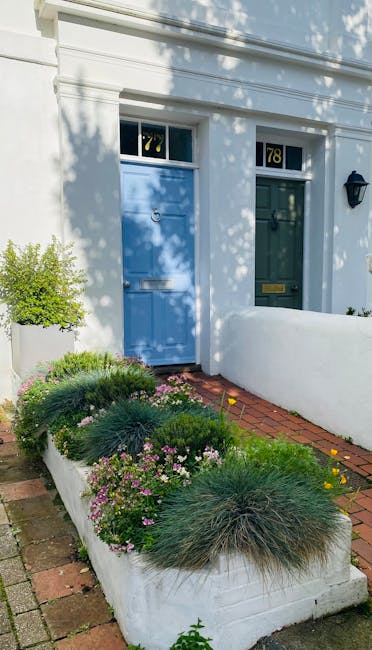
Blackheath front garden maintenance for Lewisham gardeners
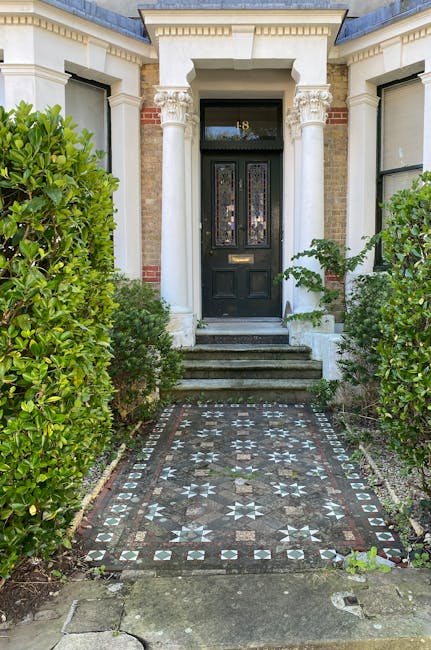
If you've ever looked at a front garden in Blackheath on a damp Tuesday morning and thought, "That needs sorting, but where do I even start?", you're in the right place. Blackheath front garden maintenance for Lewisham gardeners is not just about keeping things tidy. It's about creating a frontage that feels welcoming, manageable, and suited to the way London gardens actually behave through the seasons.
Front gardens in this part of south-east London tend to work hard. They catch the eye from the street, get compacted by foot traffic, battle shade, wind, bins, leaves, and the occasional surprise burst of growth after a bit of rain. This guide walks through what good maintenance looks like, why it matters, and how to approach it in a way that is practical, neat, and sustainable for the long run.
Why Blackheath front garden maintenance matters
A front garden is doing more jobs than people sometimes realise. It frames the house, influences first impressions, and sets the tone before anyone even reaches the door. In Blackheath, where streets often have a mix of period homes, small urban plots, and more open frontages, that first strip of land can either look crisp and cared for or, frankly, a bit forgotten.
For Lewisham gardeners, front garden maintenance also has a practical side. Regular care stops small issues from becoming irritating ones. A narrow path that gets muddy becomes slippery. A hedge that's left too long starts pushing into walkways. A neglected bed can fill up with self-seeded weeds and dead growth that takes longer to clear than expected. Anyone who has spent an afternoon wrestling with brambles knows the feeling - not fun, not glamorous, and not usually a five-minute job.
There's also the local rhythm of the area to think about. Blackheath gardens can be exposed in parts, leafy in others, and often influenced by older planting schemes that need a steadier hand rather than a dramatic makeover. The best maintenance respects that character. It keeps the frontage sharp without stripping out the personality.
Regular garden maintenance is especially useful when you want consistent standards rather than one-off rescue work. And for front spaces that have become cluttered, overgrown, or awkward to manage, garden clearance can create a clean starting point before the ongoing care begins.
Expert takeaway: front garden maintenance is less about chasing perfection and more about keeping the space healthy, safe, and easy to enjoy week after week. Small routines beat big seasonal panic, every time.
How Blackheath front garden maintenance for Lewisham gardeners works
Good front garden care usually starts with a proper look around, not a guess. You assess what the space is doing now, what it should be doing, and where it has drifted off course. That might mean checking the lawn, trimming edges, reducing hedge spread, clearing leaves, improving planting beds, or just restoring a shape that has blurred over time.
A typical maintenance visit will often involve a combination of these tasks:
- lawn mowing or strimming where appropriate
- edging paths, borders, and driveways
- hedge trimming and light shaping
- weed removal from beds, cracks, and paving
- deadheading and cutting back seasonal growth
- leaf clearance, especially in autumn
- checking drainage, access, and tidy presentation at the frontage
If the front garden includes structural features like fencing, paving, or raised areas, maintenance may also overlap with broader improvements. In some cases, it makes sense to look at landscaping or even targeted landscape gardening work if the layout is simply not helping the space function well.
To be fair, not every front garden needs a full redesign. Sometimes the win is far simpler: tidy the edges, remove the problem growth, give the lawn a proper cut, and get the whole frontage breathing again. A neat boundary and a fresh line of sight can change the whole feel of a property.
Many homeowners also choose to combine front garden visits with hedge trimming or lawn mowing, because those tasks tend to sit at the centre of weekly or fortnightly upkeep. It keeps everything consistent instead of patchy.
Key benefits and practical advantages
There are obvious benefits, of course: it looks better. But the real value goes deeper than appearance. A well-maintained front garden is easier to live with, easier to access, and easier to keep under control. That matters more than people expect.
- Better kerb appeal: the house looks cared for, which helps visitors, neighbours, and you.
- Safer access: clear steps, paths, and drive edges reduce trip hazards.
- Less long-term work: regular trimming and weeding prevent major overgrowth.
- Healthier planting: plants respond better to consistent pruning, feeding, and clearing.
- More usable space: a tidy front garden feels bigger and more functional.
- Reduced stress: you stop thinking, "I should really deal with that," every time you walk past the window.
There's also a subtle but real benefit in how a front garden changes the tone of daily life. When you come home and see a clean, balanced frontage, it just feels calmer. A bit more put together. That may sound small, but these little visual cues matter.
For some properties, good maintenance can also protect surface materials and structures. Leaves left to rot on paving can stain. Soil overflow can make edges messy. Overgrown shrubs can rub against walls or block light to the front windows. It all adds up, a bit at a time.
If you want to understand how this fits into a wider property care plan, it can help to review a broader services overview and see how maintenance, trimming, clearance, and occasional landscaping work complement each other.
Who this is for and when it makes sense
Front garden maintenance in Blackheath makes sense for more people than you might think. It is not just for large houses with decorative planting. In fact, some of the most demanding spaces are small front gardens where every inch is visible and there is nowhere for mess to hide.
This kind of service is especially useful if you are:
- a homeowner who wants the property to look consistently cared for
- a landlord trying to keep the frontage presentable between tenancies
- an older resident who prefers reliable help with physical tasks
- a busy family with little time for regular upkeep
- someone preparing to sell or let the property
- a new resident who has inherited a garden that needs sorting out properly
It also makes sense if the front garden has become awkward rather than wild. That's a slightly different problem. Maybe the plants are mostly fine, but the layout blocks access. Maybe the hedge is too dense. Maybe the lawn has become patchy from shade and foot traffic. In those cases, ongoing maintenance helps, but a deeper reset might be needed first.
And yes, there are moments when you should stop patching and start planning. If you keep mowing around the same problem every fortnight, the issue is probably structural, not seasonal.
Step-by-step guidance
Here is a straightforward way to approach Blackheath front garden maintenance without making it more complicated than it needs to be.
- Walk the space slowly. Look at the frontage from the pavement, the path, and the door. Notice where the eye stops. That usually shows the problem area fast.
- Clear loose debris first. Leaves, litter, broken stems, and old pots get in the way of proper work. A quick clear makes everything else easier.
- Cut back growth in the right order. Start with hedges and shrubs if they are spilling over, then deal with lawn edges and borders. Don't trim the details before the shape is right.
- Weed thoroughly. Pull weeds from the roots where possible. If you just skim them, they return with annoying confidence.
- Restore edges and lines. Edging along paths, paving, and borders gives the garden its structure back. This is one of the quickest ways to make the whole place look cared for.
- Check planting health. Remove dead material, cut out damaged stems, and make notes about plants that are not thriving. Some may need replacement rather than more attention.
- Finish with a tidy sweep-through. Look again from the street. The final pass matters. It's the difference between "done" and "done properly."
For an established garden, this process may happen on a weekly, fortnightly, or monthly cycle depending on growth and use. In damp weather, tasks can stack up quickly. In dry weather, weeds still show up, just in a more stubborn mood.
When a front garden includes taller boundary growth or trees that are affecting light and safety, it may be worth looking at tree lopping and removal as part of a bigger maintenance plan. That is not a casual decision, of course; it should be handled carefully and only where it is genuinely needed.
Expert tips for better results
A few small habits make a big difference. Honestly, they save time and frustration more than fancy equipment does.
- Work with the garden's rhythm, not against it. Some front gardens need frequent light attention. Others are better handled with slower, more deliberate visits.
- Trim little and often. Regular shaping is easier on hedges and shrubs than big, infrequent cuts.
- Use straight lines where the property suits them. Edges look clean, but only if they match the style of the house and frontage.
- Keep the path visible. If the access route feels cramped, the whole front garden feels smaller.
- Choose low-fuss planting where practical. Ground cover, evergreen structure, and hardy shrubs can reduce maintenance pressure.
- Mulch beds where appropriate. It helps retain moisture and slows weed growth, though it needs sensible application.
One practical tip that often gets missed: watch the view from inside the house. A front garden should look good from the pavement, yes, but also from the front room. If it feels cluttered from indoors, it usually needs simplifying outside. And if you can only see the bins from the sofa, well, that's a clue too.
If your frontage includes a paved area, feature border, or raised decked section, there may be a maintenance crossover with decking services. Keeping hard and soft landscaping in step avoids one part looking polished while the other drifts into neglect.
Common mistakes to avoid
Front garden maintenance is simple in principle, but there are a few traps that catch people out again and again.
- Letting maintenance become rescue work. A small weekly job is easier than a big monthly battle.
- Overcutting hedges and shrubs. Hard cuts at the wrong time can leave gaps, stress plants, or expose weak growth.
- Ignoring edges and corners. That is where the garden starts to look tired first.
- Using the wrong tools for the job. Blunt blades, the wrong trimmer, or a rushed mowing pass can leave a patchy finish.
- Leaving clippings behind. It is amazing how quickly a neat cut looks untidy if the waste is not cleared away.
- Assuming all overgrowth is the same problem. Weed pressure, poor soil, shade, and root competition need different responses.
Another mistake is trying to make a front garden do too much. A small London frontage is not a country estate. It does not need ten competing focal points, six pot arrangements, and a sculpture unless you genuinely love that look. Simpler usually wins.
When a frontage is badly cluttered, a planned tidy-up supported by garden clearance can be the cleanest way forward. You get space back, and from there the maintenance becomes manageable instead of endless.
Tools, resources and recommendations
You do not need a van full of specialist kit to maintain a front garden well, but the right basics help a lot. For most jobs, a practical toolkit is enough:
- sharp shears or secateurs for light pruning
- a reliable mower or strimmer for lawn edges and small grass areas
- a stiff broom or leaf rake for sweeping paths and drives
- gloves that actually fit properly
- hand weeding tools for borders and cracks
- bags or containers for green waste and debris
For homeowners, the real resource is consistency. Keep notes on what grows fast, what struggles in shade, and which areas collect leaves or debris. That sounds a bit fussy, but it makes future visits much easier. You start noticing patterns: the north-facing bed that never quite dries out, the hedge that needs shaping earlier than expected, the corner where moss keeps returning after wet spells.
If you are comparing service options or trying to understand how regular care fits alongside one-off work, it can help to look at pricing and quotes in a broad sense, not as a fixed number but as a way to understand scope. What is being maintained? How often? Does the front garden need trimming, lawn work, or a larger reset first?
And for anyone who prefers a broader maintenance relationship rather than piecemeal bookings, ongoing garden maintenance is often the easiest route to a tidy frontage all year round.
Law, compliance, standards and best practice
Front garden maintenance is usually straightforward, but there are still sensible UK best practices to keep in mind. If work involves ladders, power tools, or taller growth near public access, care matters. So does judgement. Not every job should be treated as a quick DIY fix on a windy afternoon.
In practical terms, that means:
- keeping paths and entrances safe and free from avoidable trip hazards
- handling cuttings and waste responsibly
- being careful around trees, fences, walls, and nearby utilities
- taking extra care where work could affect neighbours or passers-by
- using suitable protective equipment for cutting, lifting, or clearing work
Professional gardeners should also have clear processes for safety, insurance, and disposal practices. If you are assessing a provider, it is reasonable to ask how they manage risk and property protection. A trustworthy business should be comfortable explaining this clearly. No drama, no waffle.
You can also review a company's insurance and safety position, along with its health and safety policy, if you want reassurance about working practices. If waste handling and reuse are important to you, recycling and sustainability is another useful area to understand before booking.
None of this should feel overcomplicated. It is just good housekeeping, really. A well-run front garden service protects the property, respects neighbours, and leaves the space cleaner than it found it.
Options, methods and comparison
There is more than one way to maintain a front garden, and the right choice depends on size, condition, and how hands-on you want to be.
| Method | Best for | Pros | Trade-offs |
|---|---|---|---|
| DIY weekly upkeep | Small, simple front gardens | Low cost, flexible timing, quick touch-ups | Needs time, tools, and regular effort |
| Monthly professional maintenance | Homeowners wanting steady control | Reliable standards, less hassle, tidy finish | Less frequent than active growth may sometimes need |
| Seasonal clear and reset | Overgrown or neglected front gardens | Fast transformation, good starting point | Not a long-term substitute for routine care |
| Combined maintenance and landscaping | Front gardens with layout issues | Improves both appearance and function | More planning and usually a larger scope |
For many Blackheath properties, the sweet spot is a blend: keep the frontage under control with routine care, then make targeted improvements where the garden is genuinely fighting back. Sometimes that means a better path edge. Sometimes it means replacing a tired border. Sometimes it means admitting the lawn has had a good run and needs rethinking. Fair enough, it happens.
Case study or real-world example
A typical local example might look like this: a semi-detached home near Blackheath with a narrow front garden, a small lawn, one hedge, a mixed shrub border, and paving that had started disappearing under weeds and leaf litter. The owners were tidy people, but busy. The space wasn't terrible; it had just slipped.
The first visit focused on clearing the obvious build-up. Leaves came out first. Then the hedge was brought back to a clean line so it no longer pushed into the path. The lawn edge was reset, weeds were removed from the border, and old cuttings were cleared away. Nothing dramatic. No grand redesign. But the frontage suddenly looked intentional again.
On the next visit, the work was lighter because the garden had been brought back into rhythm. That is the real payoff of maintenance. You stop paying for the same problem over and over. Instead, you keep a decent standard with less effort each time. There's a kind of relief in that, especially for homeowners who have better things to do on a Saturday morning.
In cases where the layout feels cramped or dated, a small amount of design input can help. That may mean working with landscape gardening principles to simplify the planting, improve access, or make the front garden easier to maintain over time.
Practical checklist
Use this checklist when reviewing or planning front garden maintenance in Blackheath. It keeps things honest.
- Is the front path clear and safe to use?
- Are lawn edges, borders, and hedge lines neat?
- Have weeds been removed from beds and hard surfaces?
- Are dead leaves, clippings, and debris fully cleared away?
- Do the planting areas look healthy rather than crowded?
- Is there enough light and space at the frontage?
- Are any trees, shrubs, or roots interfering with access?
- Does the garden still suit the style of the house?
- Would ongoing maintenance be easier than another big tidy-up later?
Quick reminder: if you are looking at the same problem again and again, the answer is probably consistency, not a one-off heroic effort. That's usually the truth of it.
Conclusion
Blackheath front garden maintenance for Lewisham gardeners is about more than neatness. It is about keeping a visible part of the property safe, attractive, and easy to manage without letting jobs pile up. With the right routine, the frontage becomes a strength rather than a stress point.
The best results usually come from a calm, practical approach: clear first, shape second, maintain consistently, and only redesign when the space truly needs it. That way, the garden stays in step with the home instead of becoming one more thing you have to wrestle with after work.
If your front garden has started to feel a bit unruly, a proper maintenance plan can make a surprisingly big difference. Small, steady improvements add up. They always do.
Get a free quote today and see how much you can save.
And if you want to understand the people behind the work before moving ahead, a quick look at the about us page is a sensible next step. When the right hands are looking after the front of a home, everything feels a bit easier.
Frequently Asked Questions
What does front garden maintenance usually include?
It usually includes lawn mowing, hedge trimming, edging, weeding, leaf clearance, deadheading, and general tidying. Some gardens also need light pruning or basic planting care.
How often should a front garden in Blackheath be maintained?
That depends on the size of the garden and how quickly it grows, but many front gardens benefit from weekly or fortnightly attention during active growing periods. Slower gardens may only need monthly care.
Is front garden maintenance different from general garden maintenance?
Yes, a front garden often needs a stronger focus on presentation, access, and clean lines because it is visible from the street. General maintenance may cover larger or less visible areas too.
Can a neglected front garden be restored without a full redesign?
Often, yes. A thorough clear-up, hedge shaping, weed removal, and edge restoration can make a huge difference without changing the layout. If the structure is poor, a redesign may help later.
What are the biggest problems in small front gardens?
The most common issues are compacted soil, weeds in paving, awkward access, overgrown shrubs, and lack of light. Small spaces show mess quickly, so they need steady upkeep.
When should I combine maintenance with landscaping work?
If the layout is causing repeated problems, maintenance alone may not be enough. Landscaping becomes useful when you want to improve drainage, access, planting structure, or the overall shape of the space.
Do hedges and shrubs need different care in a front garden?
They often do. Hedges usually need sharper, more regular shaping, while shrubs may need selective pruning, thinning, or seasonal cuts depending on the plant type and its growth habit.
What should I look for in a local gardener?
Look for clear communication, sensible safety practices, proper insurance awareness, and a practical understanding of what front gardens need in an urban London setting. A good gardener explains the job plainly.
Can front garden maintenance help with kerb appeal when selling a home?
Yes, it can. A tidy frontage helps the property look cared for, which supports first impressions. It is not a magic trick, but it does matter.
What if my front garden includes decking or paved features?
Then maintenance may need to include both soft and hard surfaces. Decking, paving, and borders all need care in different ways, and the overall finish is best when everything is kept in sync.
How do I avoid the front garden looking overworked?
Keep the design simple, trim with restraint, and avoid too many competing features. A front garden should feel balanced and easy on the eye, not crowded with jobs trying to shout over one another.
Is regular maintenance better than occasional deep cleans?
For most properties, yes. Regular maintenance prevents problems from building up, keeps costs more manageable over time, and gives a more consistent appearance. Deep cleans are useful, but they work best as a reset rather than a replacement.